Formula Prep: Machines, Pitchers and Dispensers, and the CDC and FDA Rules Behind Them (2026)
Baby Brezza formula makers, warm-water dispensers, a mixing pitcher, powder dispensers and a sterilizer, checked against the CDC and FDA rules for safe formula prep.
Independently chosen. As an Amazon Associate I earn from qualifying purchases: if you buy through our links, we may earn a commission at no cost to you. How we research
Quick answer
Gadgets save time, but the CDC and FDA rules don't change: follow the formula label, measure water first, and use a bottle within 2 hours. For babies under 2 months, premature or with weak immune systems, the CDC says mix with water around 158°F; none of these machine listings claim that setting. Start cheap: Dr. Brown's pitcher ($10.99).
At a glance
Our top picks
- 1
The full automatic option for full-term babies past the extra-precaution stage, used exactly per Baby Brezza's and the formula's directions; chosen from the listing, not tested.
- 2
The smaller automatic machine for a nightstand or tight counter; chosen from the listing, not tested.
- 3Budget optionBaby Brezza Instant Baby Bottle Maker (Warm Water Dispenser)$58.64 on Amazon · checked Sep 27, 2026
A cheaper middle path: ready warm water, with you doing the scooping; chosen from the listing, not tested.

Side by side
Quick comparison
| Baby Brezza Formula Pro Advanced Formula Dispenser | Baby Brezza Formula Pro Mini Formula Maker | Baby Brezza Instant Baby Bottle Maker (Warm Water Dispenser) | Dr. Brown's Insta-Prep Warm Water Dispenser with Glass Tank | Dr. Brown's Formula Mixing Pitcher | Munchkin Formula Dispenser to Go | Philips Avent Formula Dispenser and Snack Cup | Dr. Brown's All-in-One Sterilizer and Dryer | |
|---|---|---|---|---|---|---|---|---|
| Price | $195.49on Amazon | $187.99on Amazon | $58.64on Amazon | $53.99on Amazon | $9.99on Amazon | $4.99on Amazon | $7.96on Amazon | $59.99on Amazon |
| Key Pros |
|
|
|
|
|
|
|
|
| Key Cons | -Highest list price here; no listed setting reaches the CDC's 158°F for higher-risk babies | -Bottles over about 9 oz need a stand sold separately; body-temperature output, not the CDC's 158°F | -You still measure and add the powder yourself | -No setting near boiling, so not a substitute for the CDC's extra-precaution method | -A batch must go in the fridge and be used within 24 hours | -The listing does not say whether it is dishwasher safe | -Costs a few dollars more than the Munchkin | -Only needed if you lack a dishwasher sanitize cycle or prefer not to boil |
A formula machine can make a warm bottle at 3 a.m. with one button. It can't change the rules for preparing formula safely, and those rules come from the CDC and FDA, not the gadget. This guide sets those rules out first, then shows where each machine, pitcher and dispenser fits them and where it doesn't.
How we chose:
- We did not test these products. Each is described from its listing and the brand's own claims, which we label as theirs.
- Each is sold by Amazon.com and was in stock when we checked in September 2026.
- Prep rules come from the CDC's page on infant formula preparation and storage, the CDC's Cronobacter prevention page and the FDA's guide to handling infant formula safely.
- Prices are list prices; sale prices vary.
How Does the Formula Prep Gear Compare?
| Product | Type | What it does for you | Temperatures listed | Sold by | List price |
|---|---|---|---|---|---|
| Baby Brezza Formula Pro Advanced | Automatic formula maker | Measures, mixes and warms | Room, body, warmer than body | Amazon.com | $229.99 |
| Baby Brezza Formula Pro Mini | Automatic formula maker | Measures, mixes and warms; 30% smaller | Body temperature | Amazon.com | $199.99 |
| Baby Brezza Instant Bottle Maker | Warm water dispenser | Warm water on demand | Room, body, warmer than body | Amazon.com | $69.99 |
| Dr. Brown's Insta-Prep | Warm water dispenser | Warm water on demand, glass tank | Room, body, slightly warmer | Amazon.com | $53.99 |
| Dr. Brown's Mixing Pitcher | Pitcher | Mixes up to 36 oz at once | None (manual) | Amazon.com | $10.99 |
| Munchkin Formula Dispenser | Powder dispenser | Carries 3 measured portions | None | Amazon.com | $4.99 |
| Philips Avent Formula Dispenser | Powder dispenser | Carries 3 measured portions | None | Amazon.com | $7.96 |
| Dr. Brown's All-in-One Sterilizer | Steam sterilizer + dryer | Sanitizes bottles and parts | Steam | Amazon.com | $79.99 |
What Are the CDC and FDA Rules for Mixing Formula?
For most babies, the CDC keeps it simple: "Most of the time, it's safe to prepare powdered infant formula by mixing it with tap water and following the manufacturer's instructions on the container." The water should come from a safe source; if you aren't sure about your tap water, the CDC says to contact your local health department.
The steps that matter:
- Clean hands and bottles. The FDA says to wash your hands with soap and water for at least 20 seconds before making formula.
- Exact amounts. The CDC says to "Always measure the water first and then add the powder." Too much water may mean the formula doesn't meet your baby's needs; too little can make your baby's kidneys and digestive system work too hard.
- Follow the label. The FDA puts it this way: "Follow the instructions on the product's label. Use the exact amount of water that the label says."
- Warming is optional. The CDC says "Infant formula does not need to be warmed before feeding," and if you warm it, never use a microwave, because it heats unevenly and can burn your baby's mouth and throat.
Key point: a machine's job is to follow those rules for you. It must be set up for your specific formula and used exactly as its maker and your formula's label direct.
The Extra Step for Newborns, Preemies and Babies With Weak Immune Systems
This is where machines and warm-water dispensers fall short. The CDC says to take extra steps for babies who are younger than 2 months old, were born prematurely (before 37 weeks), or have a weakened immune system, because powdered formula is not sterile and can carry germs such as Cronobacter.
The CDC's method: "Boil the water and then wait about five minutes before mixing with powdered infant formula." It explains why: "Very hot water (around 158°F/70°C) is needed to kill these germs." Then let the formula cool before feeding, and test a few drops on your wrist. It should feel warm, not hot.
Every formula maker and warm-water dispenser here lists only room-temperature, body-temperature or slightly-warmer settings. None claims a setting that reaches 158°F, so by their own listings they don't perform this step. For a baby in these groups, the FDA says "Consider using liquid ready-to-feed formula, as this is the safest option for formula-fed infants." Ask your pediatrician which method to use.

Automatic Formula Makers: Baby Brezza Formula Pro Advanced and Mini
Both Baby Brezza machines hold powder in an airtight container and water in a tank, then dispense a mixed bottle at the press of a button. Baby Brezza says they work with virtually all formula brands, and it claims its machines are more accurate than hand scooping, citing a clinical study. That's the brand's claim; we haven't checked it.
- Formula Pro Advanced ($229.99): 2 to 10 oz in 1 oz steps, three temperatures or water only.
- Formula Pro Mini ($199.99): the same mixing technology in a machine about 30% smaller, per Baby Brezza. Tall bottles over about 9 oz need a stand sold separately.
Pro tip: a formula maker only helps if it's set up correctly for the exact formula you use, and cleaned as its maker directs. If your baby changes formula, redo the setup before the next bottle.
Warm Water Dispensers: A Cheaper Middle Path
The Baby Brezza Instant Bottle Maker ($69.99) and Dr. Brown's Insta-Prep ($53.99) keep water warm all day and night. You dispense the measured water, add the powder and shake. That keeps the CDC's order of steps (water first, then powder) in your hands, for about a quarter of the price of an automatic machine.
Both list room, body and slightly-above-body settings, so the extra-precaution rule above applies to them too. The Dr. Brown's listing adds: "Always follow formula manufacturer's instructions for preparation."
Mixing Pitchers: Prep a Batch, Then Refrigerate
Dr. Brown's pitcher mixes up to 36 oz, about four 8 oz bottles, and its blade breaks up clumps. Batch mixing is where the storage rules matter most. The CDC says to "use prepared infant formula within 2 hours of preparation and within one hour from when feeding begins. If you do not start to use the prepared infant formula within 2 hours, immediately store the bottle in the fridge and use it within 24 hours."
So a pitcher batch goes straight into the fridge and gets used within a day. And the CDC adds: "Throw out any infant formula that is left in the bottle after feeding your baby," because formula and saliva together let bacteria grow.

Powder Dispensers for Outings
The Munchkin ($4.99) and Philips Avent ($7.96) dispensers each carry three measured portions of powder for bottles up to 9 oz, so you can add powder to measured water away from home. The FDA says powdered formula "is unlikely to become contaminated if it stays dry," so make sure a dispenser is completely dry before filling it. Philips Avent says its dispenser is dishwasher safe and suitable for sterilizing; the Munchkin listing doesn't say.
Best for: most families, the $10.99 Dr. Brown's pitcher plus a $5 dispenser covers night feeds and outings. Add a warm-water dispenser if you want warm bottles without a stove.
Cleaning and Sanitizing Bottles
The FDA says to boil bottles, nipples, caps, rings and valves for 5 minutes before first use. For sanitizing, it lists boiling for 5 minutes, a dishwasher with hot water and a heated drying (sanitizing) cycle, or "Steaming in a microwave or a steaming appliance according to the maker's instructions." The Dr. Brown's All-in-One ($79.99) is that steaming appliance, with a dryer built in. You don't need one if your dishwasher has a sanitizing cycle.
For more on bottle choice, see our guide to bottles for breastfed babies. When your baby moves on to solids and cups, see our first-foods gear and sippy and straw cup guides, and the high chairs that are easy to clean. Check any secondhand feeding appliance in our recall checker first.
Bottom line: buy the cheap tools first (a pitcher and a dispenser) and follow the CDC and FDA steps by hand. A formula machine is a convenience for full-term babies past the extra-precaution stage. It is not a safety upgrade, and it must be used exactly as directed.
Frequently Asked Questions
Are formula machines like the Baby Brezza safe?
We can't tell you a machine is as safe as careful hand preparation, and we didn't test these. What the listings show is that the Baby Brezza machines dispense water at room, body or slightly warmer temperatures. The CDC's extra-precaution method for babies under 2 months, preemies and babies with weak immune systems needs water around 158°F. For other babies, use a machine only as Baby Brezza and your formula's label direct, and ask your pediatrician if you're unsure.
How long can mixed formula sit out?
The CDC says to use prepared formula within 2 hours of preparation and within 1 hour from when feeding begins. If you don't start using it within 2 hours, refrigerate it right away and use it within 24 hours. Throw out whatever is left after a feed.
Can I make a day's worth of formula in a pitcher?
Yes, as long as it goes straight into the fridge. The CDC says prepared formula you don't start using within 2 hours should be refrigerated and used within 24 hours. A pitcher like Dr. Brown's mixes up to 36 oz at once.
Do I need to boil water for formula?
For most babies, no. The CDC says mixing powdered formula with safe tap water and following the container's instructions is safe most of the time. For babies younger than 2 months, born prematurely or with a weakened immune system, the CDC says to boil the water, wait about 5 minutes and mix while it's still very hot, then cool the formula before feeding.
Do I need a bottle sterilizer?
Not necessarily. The FDA lists three ways to sanitize bottles and parts: boiling for 5 minutes, a dishwasher with hot water and a heated drying cycle, or steaming in a microwave or steaming appliance according to its maker's instructions. A sterilizer like the Dr. Brown's All-in-One is a convenience if you don't have a sanitizing dishwasher.
Proof
Sources
Everything this guide relies on, as linked in the text. Last checked September 28, 2026.
- Centers for Disease Control and Prevention: CDC's page on infant formula preparation and storage
- Centers for Disease Control and Prevention: CDC's Cronobacter prevention page
- U.S. Food and Drug Administration: FDA's guide to handling infant formula safely
NurseryProof is a participant in the Amazon Services LLC Associates Program, an affiliate advertising program designed to provide a means for sites to earn advertising fees by advertising and linking to Amazon.com. This guide summarizes public guidance and is not medical advice; ask your pediatrician how to prepare formula for your baby, especially if your baby is under 2 months old, was born prematurely or has a weakened immune system.
The picks
Products reviewed
Ranked in the order we recommend them. Prices shown are approximate and change often; the buttons always show the current Amazon price.

Baby Brezza Formula Pro Advanced Formula Dispenser
The full automatic option for full-term babies past the extra-precaution stage, used exactly per Baby Brezza's and the formula's directions; chosen from the listing, not tested.
Pros
- + Mixes powder and water automatically, 2 to 10 oz in 1 oz steps, per Baby Brezza
- + Three temperatures (room, body, warmer than body) or water only
- + Airtight powder container; works with virtually all formula brands, per the brand; sold by Amazon.com
Cons
- - Highest list price here; no listed setting reaches the CDC's 158°F for higher-risk babies
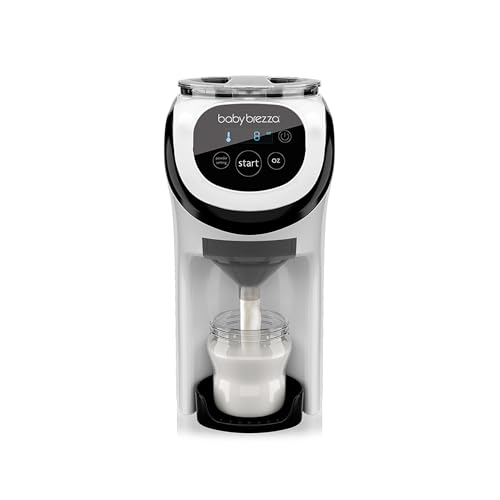
Baby Brezza Formula Pro Mini Formula Maker
The smaller automatic machine for a nightstand or tight counter; chosen from the listing, not tested.
Pros
- + 30% smaller than the Formula Pro Advanced with the same mixing technology, per Baby Brezza
- + Dispenses 2 to 10 oz portions; works with all formula brands, per the brand
- + Removable water tank is dishwasher-safe; sold by Amazon.com
Cons
- - Bottles over about 9 oz need a stand sold separately; body-temperature output, not the CDC's 158°F

Baby Brezza Instant Baby Bottle Maker (Warm Water Dispenser)
A cheaper middle path: ready warm water, with you doing the scooping; chosen from the listing, not tested.
Pros
- + Keeps water warm around the clock and dispenses it with a lever, per Baby Brezza
- + Three settings: body temperature, warmer than body temperature, room temperature
- + 50 oz airtight tank; works with glass, plastic and silicone bottles; sold by Amazon.com
Cons
- - You still measure and add the powder yourself

Dr. Brown's Insta-Prep Warm Water Dispenser with Glass Tank
The lowest-cost warm-water dispenser here, with a glass tank; chosen from the listing, not tested.
Pros
- + Glass warming tank that Dr. Brown's says won't pass on a plastic smell or taste
- + Room, body and slightly-warmer-than-body settings; 1.5 L tank
- + Built-in night light; listing says to follow the formula maker's instructions; sold by Amazon.com
Cons
- - No setting near boiling, so not a substitute for the CDC's extra-precaution method

Dr. Brown's Formula Mixing Pitcher
The cheapest way to cut night-time prep: mix a day's formula, refrigerate it and pour; chosen from the listing, not tested.
Pros
- + Mixes up to 36 oz of formula, about four 8 oz bottles at once, per Dr. Brown's
- + Mixing blade dissolves clumps; adjustable stopper keeps it below the liquid to limit air
- + Simple to take apart for cleaning; sold by Amazon.com
Cons
- - A batch must go in the fridge and be used within 24 hours

Munchkin Formula Dispenser to Go
A $5 way to carry measured powder instead of the whole can; chosen from the listing, not tested.
Pros
- + Three sections, each holding pre-measured powder for up to a 9 oz bottle
- + Flexible seal to keep powder from spilling between sections
- + BPA-free; also holds baby cereal; sold by Amazon.com
Cons
- - The listing does not say whether it is dishwasher safe
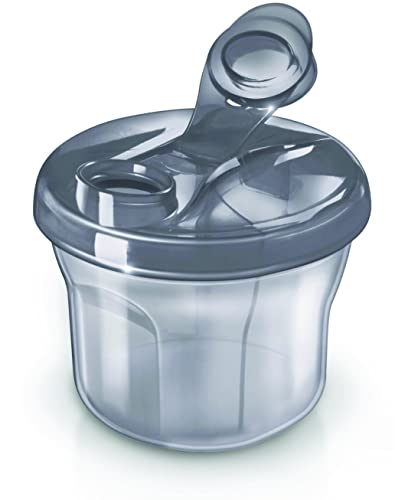
Philips Avent Formula Dispenser and Snack Cup
The dispenser to pick if you want to sterilize it with your bottles; chosen from the listing, not tested.
Pros
- + Holds powder for three feeds of up to 260 ml (9 oz)
- + Rotating cap keeps powder out of the other sections, per Philips Avent
- + Dishwasher safe, microwavable and suitable for sterilizing; sold by Amazon.com
Cons
- - Costs a few dollars more than the Munchkin

Dr. Brown's All-in-One Sterilizer and Dryer
A steam sterilizer and dryer in one if you sanitize daily; chosen from the listing, not tested.
Pros
- + Steam-sterilizes up to six Narrow or Wide-Neck bottles plus parts, per Dr. Brown's
- + Sterilize only, dry only, both, or storage modes; auto shut-off
- + Dr. Brown's says contents stay sterile up to 24 hours if the lid stays shut; sold by Amazon.com
Cons
- - Only needed if you lack a dishwasher sanitize cycle or prefer not to boil
Still comparing? Search Amazon
Today's Deals →Quick searches, tagged so you support the site at no extra cost.
Amazon prices and availability change often; cards with a live Amazon price show when it was last checked. As an Amazon Associate I earn from qualifying purchases.


