Baby Food Makers and First-Foods Gear (2026): Steamers, Freezer Trays, Spoons, Bowls, and Feeders
Nine first-foods picks compared, from Beaba, Baby Brezza and NutriBullet food makers to freezer trays, spoons, suction bowls, bibs and feeders, with CDC and AAP solids advice.
Independently chosen. As an Amazon Associate I earn from qualifying purchases: if you buy through our links, we may earn a commission at no cost to you. How we research
Quick answer
You don't need a machine: the AAP says a blender, food processor or fork works. If you want one, the NutriBullet Baby ($59.99) blends and stores; the Beaba Babycook Solo ($129.99) and Baby Brezza One Step ($149.99) also steam. Add a freezer tray, soft spoons and a suction bowl, and start around 6 months when your baby shows readiness signs.
At a glance
Our top picks
- 1
The steam-and-blend classic if you'll cook batches every week; chosen from the listing, not tested.
- 2
The pick if you want steaming and blending without moving food between containers; chosen from the listing, not tested.
- 3Budget optionNutriBullet Baby Complete Food-Making System, 32 oz$49.99 on Amazon · checked Sep 27, 2026
The lowest-cost way to blend and store purees if you already cook on the stove; chosen from the listing, not tested.

Side by side
Quick comparison
| BEABA Babycook Solo 4-in-1 Baby Food Maker, 37 oz | Baby Brezza One Step Baby Food Maker Deluxe | NutriBullet Baby Complete Food-Making System, 32 oz | OXO Tot Baby Food Freezer Tray (2-Pack) | BEABA Multiportions Silicone Freezer Tray with Lid, 3 oz | Nuby Baby's First Spoons (3-Pack) | ezpz Tiny Bowl (Silicone Suction Bowl) | mushie Silicone Baby Bib | Munchkin Baby Fruit Feeder with Mesh Bags (2-Pack) | |
|---|---|---|---|---|---|---|---|---|---|
| Price | $129.99on Amazon | $88.99on Amazon | $49.99on Amazon | $12.99on Amazon | $23.99on Amazon | $7.99on Amazon | $16.99on Amazon | $13.99on Amazon | $5.99on Amazon |
| Key Pros |
|
|
|
|
|
|
|
|
|
| Key Cons | -Costs more than a blender you may already own | -Highest list price of the three food makers | -Blends only; you steam or cook the food separately | -The listing does not state the portion size | -Only six portions per tray at nearly twice the OXO pair's price | -Only three spoons, one per stage | -Suction needs a smooth, flat tray or table to hold | -The listing does not give an age range | -Mesh needs soaking and scrubbing right after use |
A food maker is the most expensive thing on most first-foods lists, and it's the one thing you can skip. The American Academy of Pediatrics says that to make baby food from fresh food, you can "use a blender or food processor, or just mash softer foods with a fork." What a steam-and-blend machine buys you is convenience: one appliance, one bowl, and fewer pots to wash when you're cooking batches every week.
The smaller gear matters just as much: a tray to freeze portions, soft spoons, a bowl that stays put and a bib that wipes clean.
How we chose:
- We did not test these products. Each is described from its listing and the brand's own claims, which we label as theirs.
- Each is sold by Amazon.com or the brand's own store and was in stock when we checked in September 2026.
- Timing, readiness and choking guidance comes from the CDC's page on when, what and how to introduce solid foods, the CDC's choking hazards page and the AAP's guide to starting solid foods.
- Prices are list prices; sale prices vary.
How Does the First-Foods Gear Compare?
| Product | Type | Key detail from the listing | Listed age | Sold by | List price |
|---|---|---|---|---|---|
| BEABA Babycook Solo | Steamer + blender | 37 oz bowl, 27 servings per cycle | Not stated | BEABA USA | $129.99 |
| Baby Brezza One Step Deluxe | Steamer + blender | 3.5 cups, steams and blends in one bowl | Not stated | Amazon.com | $149.99 |
| NutriBullet Baby Complete | Blender + storage | 32 oz batch bowl, 6 storage cups, freezer tray | Not stated | Amazon.com | $59.99 |
| OXO Tot Freezer Tray | Freezer tray, 2-pack | Sliding lid releases single portions | Not stated | Amazon.com | $12.99 |
| BEABA Multiportions | Freezer tray | 6 portions of up to 3 oz, oven safe | Not stated | BEABA USA | $23.99 |
| Nuby Baby's First Spoons | Silicone spoons, 3-pack | Three stages from thin puree to semi-solid | 6 months+ | Amazon.com | $7.99 |
| ezpz Tiny Bowl | Suction bowl | Bowl and placemat in one piece of silicone | 6 months+ | ezpz | $16.99 |
| mushie Silicone Bib | Pocket bib | Deep food-catching pocket | Not stated | mushie USA | $13.99 |
| Munchkin Fruit Feeder | Mesh feeder, 2-pack | Snap-shut mesh bag | 6 months+ | Amazon.com | $5.99 |
When Can Babies Start Solid Foods?
The CDC puts it plainly: "Your child can begin eating solid foods at about 6 months. Introducing foods before 4 months is not recommended." The CDC notes that both the Dietary Guidelines for Americans and the AAP recommend about 6 months.
Age is only half of it. The CDC lists signs that a child is developmentally ready. The child:
- "Sits up alone or with support."
- "Can control their head and neck."
- "Opens their mouth when you offer food."
- "Swallows food rather than pushes it back out onto their chin."
The AAP adds a practical test for the seat: "Your baby should be able to sit in a high chair, a feeding seat or an infant seat with good head control."
Key point: buy the food maker after your pediatrician agrees your baby is ready, not before. Some babies take weeks to go from a taste to a real meal.

Do You Need a Baby Food Maker?
No. The three machines here save steps, not nutrition. What differs is how many steps they save.
- Steam and blend in one appliance (Beaba Babycook Solo, Baby Brezza One Step Deluxe): you add raw food and water, steam it and blend it without moving to a pot or a second machine. Beaba says its basket raises food above the water; Baby Brezza says its machine steams and blends in the same bowl, with no transfer.
- Blend and store (NutriBullet Baby Complete): you cook the food yourself, then blend it and portion it into the included cups and freezer tray. At $59.99 list, it's less than half the price of the others.
Whichever route you take, the AAP's rules for homemade food are the same: "All fresh foods should be cooked with no added salt or seasoning." It adds that most fruits and vegetables other than bananas should be cooked until soft, and to "Refrigerate any food you do not use, and look for any signs of spoilage before giving it to your baby."
Pro tip: Beaba's Babycook Neo, a different model with a glass bowl, was recalled in 2019 because the bowl could break. The Solo listed here uses a Tritan plastic bowl and was not part of that recall. If you buy any food maker secondhand, run it through our recall checker first.
Freezer Trays: OXO Tot or BEABA?
Batch cooking only pays off if you can store portions. The two trays here take different approaches:
- OXO Tot (2-pack, $12.99): OXO says its sliding lid releases as many pieces as you choose and keeps out freezer odors. The listing does not state portion size.
- BEABA Multiportions ($23.99): six silicone portions of up to 3 oz each, and Beaba says the tray is oven safe up to 425°F.
The NutriBullet Baby Complete already includes a silicone freezer tray and six storage cups, so if you buy it you may not need either.
Best for: small first portions, the OXO Tot pair. Bigger servings once your baby eats more at each meal, the BEABA Multiportions.
Spoons, Bowls and Bibs
Spoons. Soft silicone tips are what most first spoons offer. The Nuby three-pack steps from thin purees to thicker purees to semi-solid food, which suits the AAP's reminder that starting solid foods is a gradual process.
Bowls. The ezpz Tiny Bowl is a bowl and placemat in one piece of silicone, and the brand says the suction cuts down on tipped bowls. It needs a smooth, flat surface. If you haven't chosen a seat yet, see our guide to high chairs that are easy to clean, since a flat, wipeable tray helps suction hold.
Bibs. The AAP warns that most of the first few solid feedings "wind up on your baby's face, hands and bib." A silicone bib with a deep pocket, like the mushie, catches what falls and rinses clean.

Which Foods Are Choking Hazards?
No bowl, spoon or feeder makes a food safe. Texture, size and supervision do. The AAP says, "To prevent choking, make sure anything you give your baby is soft, easy to swallow, and cut into small pieces."
Among the foods the AAP says to avoid under 1 year of age are hot dogs, nuts and seeds, chunks of meat or cheese, whole grapes, popcorn, chunks of peanut butter, raw vegetables, and fruit chunks such as apple chunks. The CDC's choking hazards page also lists uncut cherry or grape tomatoes, whole corn kernels and raisins.
The CDC's rules for the meal itself:
- "Have your child sit up while eating (no lying down, crawling, or walking)."
- "Have your child sit in a high chair or other safe place."
- "Avoid letting your child eat in the car or stroller."
- "Watch your child at all times while they are eating."
Are Mesh and Silicone Feeders Safe?
Munchkin lists its mesh feeder for babies 6 months and up and says only small pieces of food get through the mesh. That's the brand's claim; neither the CDC nor the AAP pages we used evaluate feeders. Treat a feeder like any other food: your baby sits upright in a high chair, and an adult watches the whole time. Check the mesh and clasp before every use, and stop using a feeder that is torn.
Bottom line: start with the cheap gear (a freezer tray, soft spoons, a suction bowl and a bib) and a blender you already own. Add a steam-and-blend machine like the Babycook Solo or Baby Brezza only if you're cooking batches every week.
Still bottle-feeding alongside solids? Our guide to bottles for breastfed babies covers nipple shape and flow.
Frequently Asked Questions
What is the best baby food maker?
It depends on how you cook. The Beaba Babycook Solo and Baby Brezza One Step Deluxe both steam and blend in one appliance, so raw food goes in and puree comes out. The NutriBullet Baby Complete only blends, but at $59.99 list it costs far less and includes storage cups and a freezer tray.
At what age can my baby start solid foods?
The CDC says most children can begin eating solid foods at about 6 months, and introducing foods before 4 months is not recommended. Look for readiness signs such as sitting up with support, good head and neck control, and swallowing food instead of pushing it out. Ask your pediatrician if you're unsure.
Can I make baby food without a machine?
Yes. The AAP says you can use a blender or food processor, or mash softer foods with a fork. Cook fresh foods with no added salt or seasoning, and refrigerate anything you don't use.
How should I store homemade baby food?
The AAP says to refrigerate any food you don't use and to check for signs of spoilage before feeding it, because fresh food spoils faster than food from a can or jar. Freezer trays like the OXO Tot or BEABA Multiportions let you freeze single portions; follow your food maker's instructions for defrosting and reheating.
Do mesh feeders prevent choking?
No product prevents choking on its own. Munchkin says its mesh lets only small pieces through, but the CDC's advice still applies: your baby sits upright in a high chair or other safe place, and an adult watches at all times while they eat.
Proof
Sources
Everything this guide relies on, as linked in the text. Last checked September 28, 2026.
- Centers for Disease Control and Prevention: CDC's page on when, what and how to introduce solid foods
- Centers for Disease Control and Prevention: CDC's choking hazards page
- American Academy of Pediatrics: AAP's guide to starting solid foods
- U.S. Consumer Product Safety Commission: Beaba Recalls Baby Food Steam Cooker Blenders Due to Laceration Hazard
NurseryProof is a participant in the Amazon Services LLC Associates Program, an affiliate advertising program designed to provide a means for sites to earn advertising fees by advertising and linking to Amazon.com. This guide summarizes public guidance and is not medical advice; ask your pediatrician when and how to start solid foods for your baby.
The picks
Products reviewed
Ranked in the order we recommend them. Prices shown are approximate and change often; the buttons always show the current Amazon price.

BEABA Babycook Solo 4-in-1 Baby Food Maker, 37 oz
The steam-and-blend classic if you'll cook batches every week; chosen from the listing, not tested.
Pros
- + Steams, blends, defrosts and reheats in one bowl, per Beaba
- + Steam basket holds 798 ml; Beaba says 27 servings in one cycle
- + Auto shut-off and a lock that won't run unless parts are seated; sold by BEABA USA
Cons
- - Costs more than a blender you may already own

Baby Brezza One Step Baby Food Maker Deluxe
The pick if you want steaming and blending without moving food between containers; chosen from the listing, not tested.
Pros
- + Steams and blends in the same bowl with one button, per Baby Brezza
- + Makes up to 3.5 cups, with steam-only and blend-only settings
- + Bowl and blade are dishwasher-safe; includes 3 reusable pouches; sold by Amazon.com
Cons
- - Highest list price of the three food makers

NutriBullet Baby Complete Food-Making System, 32 oz
The lowest-cost way to blend and store purees if you already cook on the stove; chosen from the listing, not tested.
Pros
- + 200-watt blender with a 32 oz batch bowl and a 12 oz short cup
- + Six storage cups with date-dial lids, plus a silicone freezer tray
- + All components are dishwasher-safe, per NutriBullet; sold by Amazon.com
Cons
- - Blends only; you steam or cook the food separately

OXO Tot Baby Food Freezer Tray (2-Pack)
A simple two-tray set for freezing small batches; chosen from the listing, not tested.
Pros
- + Sliding lid lets you release as many portions as you want, per OXO
- + Cover keeps food from absorbing freezer odors
- + Rounded cubes release easily; lid and feet stack; sold by Amazon.com
Cons
- - The listing does not state the portion size

BEABA Multiportions Silicone Freezer Tray with Lid, 3 oz
Larger portions for older babies eating more at each meal; chosen from the listing, not tested.
Pros
- + Six portions of up to 3 oz (90 ml) each
- + Platinum silicone, free of BPA, lead and phthalates, per Beaba
- + Dishwasher, microwave and oven safe to 425°F; sold by BEABA USA
Cons
- - Only six portions per tray at nearly twice the OXO pair's price

Nuby Baby's First Spoons (3-Pack)
A cheap set that follows the move from thin purees to soft solids; chosen from the listing, not tested.
Pros
- + Three stages: thin purees, thicker purees, then semi-solid food
- + Soft silicone the listing says is gentle on gums
- + Easy-grip handles for self-feeding; for 6 months and up; sold by Amazon.com
Cons
- - Only three spoons, one per stage

ezpz Tiny Bowl (Silicone Suction Bowl)
A suction bowl sized for first purees that fits high chair trays; chosen from the listing, not tested.
Pros
- + Built-in placemat suctions to the surface to reduce tipped bowls, per ezpz
- + Made for first foods such as purees, yogurt and baby cereal; 6 months and up
- + Food-grade silicone; dishwasher, microwave and oven safe; sold by the ezpz store
Cons
- - Suction needs a smooth, flat tray or table to hold
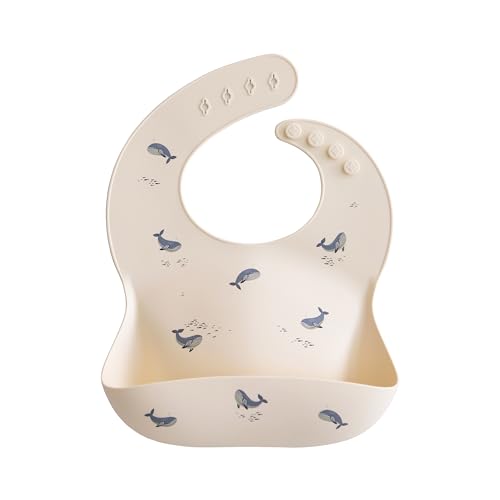
mushie Silicone Baby Bib
An easy-wipe pocket bib for the messy first months of solids; chosen from the listing, not tested.
Pros
- + Deep front pocket catches dropped food
- + Food-grade silicone, free of BPA, BPS, PVC and phthalates, per mushie
- + Adjustable neck fasteners; wipes clean and resists stains; sold by mushie USA
Cons
- - The listing does not give an age range
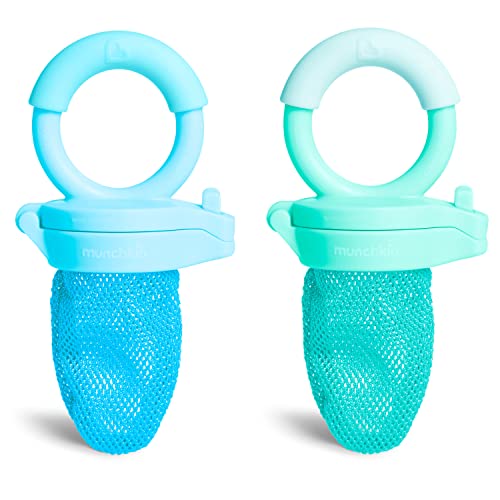
Munchkin Baby Fruit Feeder with Mesh Bags (2-Pack)
A low-cost feeder for letting a baby explore soft fruit, always with an adult watching; chosen from the listing, not tested.
Pros
- + Listed for babies 6 months and up
- + Snap-shut mesh bag that locks to help keep a child from opening it, per Munchkin
- + Colored mesh reduces staining; two feeders; sold by Amazon.com
Cons
- - Mesh needs soaking and scrubbing right after use
Still comparing? Search Amazon
Today's Deals →Quick searches, tagged so you support the site at no extra cost.
Amazon prices and availability change often; cards with a live Amazon price show when it was last checked. As an Amazon Associate I earn from qualifying purchases.


