Best Breast Pumps (2026): Double Electric, Wearable, and Manual, Plus How Insurance Coverage Works
Nine breast pumps compared: double electric, wearable, and manual, with what HealthCare.gov says insurance must cover and how the FDA says to clean pump parts.
Independently chosen. As an Amazon Associate I earn from qualifying purchases: if you buy through our links, we may earn a commission at no cost to you. How we research
Quick answer
Check your insurance first: HealthCare.gov says most plans must cover a breast pump. If you're buying, a double electric such as the Medela Pump in Style Pro ($149.99) or Lansinoh Signature Pro ($95.99) suits regular pumping; wearables like the Elvie Stride ($199.99) trade some simplicity for hands-free use; a manual pump covers occasional sessions.
At a glance
Our top picks
- 1Top pickMedela Pump in Style Pro Double Electric Breast Pump$104.99 on Amazon · checked Sep 27, 2026
A traditional double electric for regular pumping at home or work; chosen from the listing, not tested.
- 2Budget optionLansinoh Signature Pro Double Electric Breast Pump$95.99 on Amazon · checked Sep 27, 2026
The lowest-priced double electric here, with a complete starter kit; chosen from the listing, not tested.
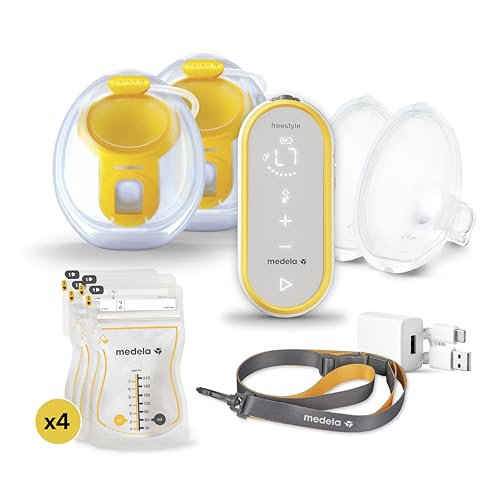
- 3Also considerMedela Freestyle Hands-Free Double Electric Breast Pump$172.14 on Amazon · checked Sep 27, 2026
A hands-free option from a pump maker you may already know; chosen from the listing, not tested.

Side by side
Quick comparison
| Medela Pump in Style Pro Double Electric Breast Pump | Lansinoh Signature Pro Double Electric Breast Pump | Medela Freestyle Hands-Free Double Electric Breast Pump | Elvie Stride Wearable Breast Pump | Willow Go Wearable Double Electric Breast Pump with Carry Case | Momcozy M5 Smart Wearable Breast Pump (2-Pack) | Medela Harmony Manual Breast Pump and Silicone Milk Collector Set | Lansinoh Manual Breast Pump | Haakaa Silicone Manual Breast Pump, 4 oz | |
|---|---|---|---|---|---|---|---|---|---|
| Price | $104.99on Amazon | $95.99on Amazon | $172.14on Amazon | $149.99on Amazon | $299.99on Amazon | $169.99on Amazon | $39.99on Amazon | $28.27on Amazon | $12.94on Amazon |
| Key Pros |
|
|
|
|
|
|
|
|
|
| Key Cons | -Tubing and bottles, so you need to sit or stand near the pump while using it | -Only one flange size (25 mm) in the box | -Cups connect by tubing to a separate motor unit | -Only 24 mm shields included; other sizes are sold separately | -The priciest pump here | -The listing does not state suction strength or battery life | -One side at a time, by hand | -Hand-powered, so slower for daily pumping | -Haakaa recommends it for an established milk supply, typically 2 to 3 weeks postpartum |
A breast pump is one of the few pieces of baby gear your health insurance may pay for, so the first step isn't comparing pumps. It's calling your plan. After that, the choice comes down to how often you'll pump and whether you need to move while you do.
How we chose:
- We did not test these pumps. Specs and features come from each listing and the brand's own claims, which we label as theirs.
- Each pump is sold by Amazon.com or the brand's own store and was in stock when we checked in September 2026.
- Insurance rules come from HealthCare.gov's page on breastfeeding benefits. Buying and cleaning advice comes from the FDA's guide to buying and renting a breast pump and its breast pump cleaning instructions.
- Prices are list prices; sale prices vary.
How Do the Pumps Compare?
| Pump | Type | Suction settings (per brand) | Worn in bra | Flange sizes included | Sold by | List price |
|---|---|---|---|---|---|---|
| Medela Pump in Style Pro | Double electric | 16 levels | No | Not stated | Amazon.com | $149.99 |
| Lansinoh Signature Pro | Double electric | 8 levels, 3 styles | No | 25 mm | Amazon.com | $95.99 |
| Medela Freestyle Hands-Free | Wearable cups, separate motor | Not stated | Cups only | 21, 24 mm | Amazon.com | $172.14 |
| Elvie Stride | Wearable, app | 2 modes, 10 settings each | Cups only | 24 mm | Amazon.com | $199.99 |
| Willow Go | Wearable, fully in bra | 15 levels | Yes | 15, 17, 19, 21 inserts; 24 mm | Amazon.com | $299.99 |
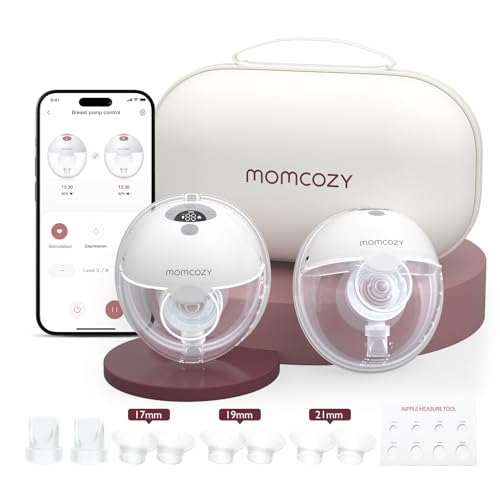
| Momcozy M5 Smart (2-pack) | Wearable, app | 3 modes, 9 levels | Yes | 17, 19, 21, 24 mm | Momcozy | $199.99 |
| Medela Harmony + collector | Manual | Hand-controlled | No | Not stated | Amazon.com | $39.99 |
| Lansinoh Manual | Manual | Hand-controlled | No | 25, 30.5 mm | Amazon.com | $34.99 |
| Haakaa 4 oz | Silicone collector | Squeeze to adjust | No | One size | Haakaa | $12.94 |
Will Insurance Pay for a Breast Pump?
Probably, if you have health insurance. HealthCare.gov's breastfeeding benefits page says plans "must provide breastfeeding support, counseling, and equipment for the duration of breastfeeding." That applies to Marketplace plans and all other health plans except grandfathered plans.
On pumps specifically, it says: "Your health insurance plan must cover the cost of a breast pump. It may be either a rental unit or a new one you'll keep."
The plan can still set the terms. HealthCare.gov lists three:
- whether the covered pump is manual or electric
- how long a rental lasts
- when you receive it, before or after birth
It adds that "it's up to you and your doctor to decide what's right for you," and that "some insurance plans may require pre-authorization from your doctor."
Pro tip: call your insurer in the third trimester and ask three things: which pumps they cover, whether you must order through a specific supplier, and whether you need a prescription or pre-authorization. If the covered pump isn't the one you want, ask whether you can pay the difference to upgrade.
If your plan covers a pump, the picks below are still useful as a guide to which covered model fits your routine. If you're buying yourself, some listings, such as the Willow Go's, state that the pump is FSA and HSA eligible.

Double Electric, Wearable, or Manual?
Double electric pumps
A double electric pump sits on a table and runs tubing to two breast shields with bottles attached. It's the traditional setup for pumping several times a day, such as during a workday.
- The Medela Pump in Style Pro has 16 suction levels and only four pump parts to wash, per Medela.
- The Lansinoh Signature Pro has 8 levels, three pumping styles, and an LCD screen, and comes with bottles, a nipple and a carry bag.
Wearable pumps
Wearable pumps put the collection cups inside your bra, so you can move while pumping. They differ in where the motor goes:
- Cups plus separate motor: the Medela Freestyle Hands-Free and Elvie Stride have light cups in the bra connected to a small motor unit.
- Fully in-bra: the Willow Go and Momcozy M5 hold the motor in the cup, with no tubing, per their listings.
Every wearable here says it can be controlled or tracked through an app.
Key point: fit matters more than features. Several listings stress flange size, and they include different sizes: Willow, Momcozy and Medela Freestyle include several; Elvie includes only 24 mm. Check which sizes you need before you choose.
Manual pumps and collectors
A manual pump is a hand-operated backup for an occasional session, a car ride or a trip. The Medela Harmony and Lansinoh Manual both use a two-phase handle to switch between stimulation and expression. The Haakaa is a one-piece silicone collector that catches let-down from one side while you nurse on the other.
Best for: pumping every workday, a double electric (Medela Pump in Style Pro or Lansinoh Signature Pro). For pumping while you move, a wearable. For an occasional bottle, a manual pump.
What Does "Hospital-Grade" Mean?
Several listings use it. Medela, Elvie and Willow describe their pumps' suction as hospital-grade, and Lansinoh calls its suction "hospital strength."
The FDA's page on buying and renting a breast pump is clear on this: "the term 'hospital-grade pump' is not recognized by the FDA and there is no consistent definition for this term, so individual companies could mean different things when they label their breast pumps as hospital-grade."
Key point: compare what a listing actually states, such as suction levels or a figure like Elvie's -300 mmHg, rather than the "hospital-grade" label.
Can You Buy a Used Breast Pump?
Don't. The FDA says that, apart from pumps designed for multiple users, it "considers breast pumps to be single-user devices." It also warns that pumps "reused by different mothers can carry infectious particles, which can make you or your baby sick," and that buying used or sharing a pump may void the warranty.
Two related points from the same FDA page:
- If you buy online, "make sure you are buying from a reputable source." That's one reason we only list pumps sold by Amazon.com or the brand itself.
- Once opened, "most stores will not allow you to return it for health reasons," so check fit and features before you open the box.
If you rent a multi-user pump from a hospital or supplier, the FDA says each renter gets their own new accessory kit.
How Do You Clean Breast Pump Parts?
The FDA's breast pump cleaning guide says: "All breast pump parts that come in contact with breast milk, such as bottles, valves and breast shields, should be cleaned after each use." In short:
- Rinse soon: rinse each part in cool water as soon as possible after pumping.
- Wash: wash by hand with liquid dish soap and warm water, or in a dishwasher if the maker says the parts are dishwasher safe.
- Rinse again: rinse with hot water for 10 to 15 seconds.
- Air dry: air dry on a clean paper towel or drying rack, not a cloth towel.
- Tubing: it doesn't need cleaning unless milk gets into it.
- Motor: never put the electrical unit in water.

The FDA also notes that "it is not possible to completely sterilize breast pump parts at home, even if you boil them. However, sterilization is not necessary" for a healthy baby. Follow your pump maker's own instructions too.
Bottom line: fewer parts means less washing. Medela lists four parts for the Pump in Style Pro and three for the Freestyle; the Haakaa is one piece.
Planning to bottle-feed pumped milk? See our guide to bottles for breastfed babies, and check any secondhand feeding gear in our recall checker.
Frequently Asked Questions
Does insurance cover breast pumps?
Most plans do. HealthCare.gov says health plans, except grandfathered plans, must cover a breast pump, either a rental or a new one you keep. Your plan may decide whether it's manual or electric, how long a rental lasts, and when you get it, and may require pre-authorization from your doctor.
What is the best breast pump for working moms?
For pumping several times a workday, a double electric pump is the traditional choice, such as the Medela Pump in Style Pro or Lansinoh Signature Pro. If you need to keep working or moving while you pump, a wearable such as the Elvie Stride, Willow Go, Momcozy M5 or Medela Freestyle Hands-Free fits in your bra.
Are wearable breast pumps as good as regular pumps?
We didn't test them, so we can't compare output. The listings show what differs: wearables sit in your bra and are app-controlled, and some come with several flange sizes. A double electric uses tubing and bottles but has a simpler, familiar setup. Ask a lactation consultant if you're unsure which suits you.
What does hospital-grade breast pump mean?
Nothing official. The FDA says "hospital-grade" is not a term it recognizes and that companies could mean different things by it. Compare stated suction levels and settings instead.
Is it safe to use a secondhand breast pump?
The FDA advises against it. Except for pumps made for multiple users, it treats breast pumps as single-user devices, and it warns that pumps reused by different mothers can carry infectious particles. Buying used can also void the warranty.
How often should I clean my breast pump parts?
After every use. The FDA says all parts that touch breast milk, such as bottles, valves and breast shields, should be cleaned after each session. Tubing only needs cleaning if milk gets into it, and the motor unit should never go in water.
Proof
Sources
Everything this guide relies on, as linked in the text. Last checked September 28, 2026.
- healthcare.gov: HealthCare.gov's page on breastfeeding benefits
- U.S. Food and Drug Administration: Buying and renting breast pump
- U.S. Food and Drug Administration: Cleaning breast pump
NurseryProof is a participant in the Amazon Services LLC Associates Program, an affiliate advertising program designed to provide a means for sites to earn advertising fees by advertising and linking to Amazon.com. This guide summarizes public guidance and is not medical advice; ask your doctor, pediatrician or a lactation consultant about pumping and feeding.
The picks
Products reviewed
Ranked in the order we recommend them. Prices shown are approximate and change often; the buttons always show the current Amazon price.

Medela Pump in Style Pro Double Electric Breast Pump
A traditional double electric for regular pumping at home or work; chosen from the listing, not tested.
Pros
- + 16 suction levels and a pattern Medela says mimics a baby's sucking rhythm
- + Pumps straight into bottles; only 4 pump parts to wash, all dishwasher safe
- + Weighs 1.23 pounds, per the listing; sold by Amazon.com
Cons
- - Tubing and bottles, so you need to sit or stand near the pump while using it

Lansinoh Signature Pro Double Electric Breast Pump
The lowest-priced double electric here, with a complete starter kit; chosen from the listing, not tested.
Pros
- + 8 suction levels, 3 pumping styles, and let-down and expression phases
- + LCD display and three power options, per Lansinoh
- + Includes 25 mm flanges, 2 bottles, a slow-flow nipple, and a carry bag; sold by Amazon.com
Cons
- - Only one flange size (25 mm) in the box
Medela Freestyle Hands-Free Double Electric Breast Pump
A hands-free option from a pump maker you may already know; chosen from the listing, not tested.
Pros
- + Wearable collection cups weighing 76 g each sit in your bra, per Medela
- + Rechargeable pocket-sized motor; battery lasts up to 10 sessions, per the listing
- + Comes with 24 mm and 21 mm breast shields; sold by Amazon.com
Cons
- - Cups connect by tubing to a separate motor unit

Elvie Stride Wearable Breast Pump
A wearable pump with app control at a lower price than most in-bra pumps; chosen from the listing, not tested.
Pros
- + Stimulation and expression modes with 10 settings each; up to -300 mmHg, per Elvie
- + Cups weigh under 5 ounces each and hold 5 oz; app control
- + Closed system, hand washable and dishwasher safe; sold by Amazon.com
Cons
- - Only 24 mm shields included; other sizes are sold separately

Willow Go Wearable Double Electric Breast Pump with Carry Case
The fully in-bra pick if moving freely matters most; chosen from the listing, not tested.
Pros
- + Each pump fits entirely inside a standard nursing bra, with no external motor or tubes
- + 15 suction levels across stimulation and expression modes
- + 15, 17, 19 and 21 mm inserts plus 24 mm flanges and a sizing tool; sold by Amazon.com
Cons
- - The priciest pump here
Momcozy M5 Smart Wearable Breast Pump (2-Pack)
A two-pump wearable set with the widest range of included flange sizes after Willow; chosen from the listing, not tested.
Pros
- + 3 modes (Stimulation, Expression, Mixed) and 9 levels, adjustable in the app
- + No exposed tubing or visible motor; 232 g, per Momcozy
- + Four flange sizes included (17, 19, 21, 24 mm); sold by the Momcozy Official Store
Cons
- - The listing does not state suction strength or battery life

Medela Harmony Manual Breast Pump and Silicone Milk Collector Set
A low-cost backup for occasional sessions and travel; chosen from the listing, not tested.
Pros
- + Manual pump plus a silicone collector for let-down from the other side
- + Handle switches between stimulation and expression phases
- + No cords or batteries; all parts dishwasher safe; sold by Amazon.com
Cons
- - One side at a time, by hand

Lansinoh Manual Breast Pump
A manual pump with two flange sizes in the box; chosen from the listing, not tested.
Pros
- + Let-down and expression phases, with a handle Lansinoh designed to reduce hand fatigue
- + Two flange sizes included (25 mm and 30.5 mm)
- + BPA and BPS free; includes a slow-flow nipple; sold by Amazon.com
Cons
- - Hand-powered, so slower for daily pumping

Haakaa Silicone Manual Breast Pump, 4 oz
The cheapest way to catch let-down while nursing on the other side; chosen from the listing, not tested.
Pros
- + One-piece silicone pump that collects let-down with or without suction
- + No batteries or cords, and silent
- + Suitable for boiling, per Haakaa; sold by the Haakaa Official Store
Cons
- - Haakaa recommends it for an established milk supply, typically 2 to 3 weeks postpartum
Still comparing? Search Amazon
Today's Deals →Quick searches, tagged so you support the site at no extra cost.
Amazon prices and availability change often; cards with a live Amazon price show when it was last checked. As an Amazon Associate I earn from qualifying purchases.

