Daycare Drop-Off Checklist: What to Pack for Infants and Toddlers
A daycare packing list for infants and toddlers: labeled bottles, a change of clothes, nap supplies, sunscreen, and the daily restock that keeps drop-off quick.
Independently chosen. As an Amazon Associate I earn from qualifying purchases: if you buy through our links, we may earn a commission at no cost to you. How we research
Quick answer
Pack a labeled bottle bag, a full change of clothes in a wet bag, a week of diapers and wipes, a sleep sack or small blanket for naps, and sunscreen for outdoor play. Ask the center what it supplies first: many provide cribs, sheets and meals, which shortens the list.
In this guide
3 picks View product photos on AmazonOne bag for drop-off and pickupRUVALINO Diaper Bag BackpackFrom the listing · not tested$36.54 Amazon price as of Nov 25, 2026, 1:47 AM UTC (details)
 View product photos on AmazonKeeping a changing kit in the bagMunchkin Go Change Portable Changing Pad KitFrom the listing · not tested$11.99 Amazon price as of Nov 25, 2026, 1:47 AM UTC (details)
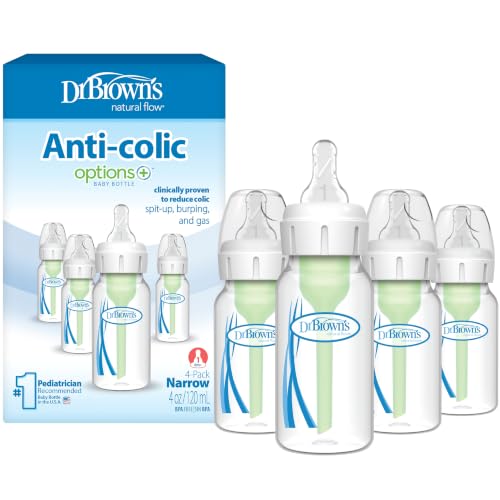 View product photos on AmazonBottles that travel every dayDr. Brown's Options+ Narrow Bottles, 4 oz (4-Pack)From the listing · not tested$23.69 Amazon price as of Nov 25, 2026, 1:47 AM UTC (details)

The first daycare drop-off is usually a bag, a baby and a form. The second is when you find out what the center actually expects: bottles labeled a particular way, a full change of clothes, a sleep sack for nap time, and a place for the wet bag. This list is built backwards from that second morning.
How we picked: we read the AAP's guidance on choosing child care and safe sleep, the CDC's guidance on handling breast milk and on cleaning in child care settings, and the AAP's sun-safety advice.
We then checked the gear against Amazon listings on November 16, 2026. Every pick was in stock and sold by Amazon.com or by the maker's own store that day. We have not tested these products, and the list is a starting point: the center's own policy comes first.
What to pack, by age
| What to pack | Infant (under 12 months) | Toddler (1-3 years) |
|---|---|---|
| Milk | Labeled bottles of breast milk or formula for the day | A labeled water bottle; milk if the center serves it |
| Food | None, unless the center asks for cereal or purées | Lunch and snacks, unless meals are provided |
| Diapers | A week's supply, plus wipes and cream | Pull-ups or diapers, wipes and cream if not trained |
| Clothes | Two full changes, including socks | One or two changes, including socks and shoes |
| Nap | A sleep sack if the center asks for one | A small blanket and cot sheet, if not supplied |
| Outdoors | A hat; sunscreen once the baby is 6 months old | Sunscreen and a hat, labeled |
| Comfort | A pacifier, if your baby uses one | A comfort item, if the center allows it |
| Labels | Everything, including the bag | Everything, including the cup and the shoes |
The right-hand column assumes the center provides meals, cribs and sheets. Many do; some do not. The AAP's guide to choosing a child care center lists the questions worth asking before the first day, including hours, fees and licensing.
What should go in a daycare bag for an infant?
Bottles first, because they are the item with a rule attached. The CDC's guidance on handling breast milk says to label each container with the date the milk was pumped, and to use the oldest milk first. Most centers add their own requirement: your child's name and the time, written on the bottle itself rather than the bag.
The Dr. Brown's Options+ 4 oz four-pack is the practical shape for this: four small bottles, listed from 0 months, so two can be at daycare while two are clean at home. For formula, the CDC's bottle-feeding guidance is the reference on preparing and storing it, and on what to do with what is left in the bottle.
Then the changing kit. The Munchkin Go Change kit keeps a padded mat, a wipes case and room for four diapers in one pouch that clips to the bag. The RUVALINO backpack is the bag around it: 17 pockets, a 23 x 15 inch changing pad and insulated bottle pockets sized for 5 to 11 oz bottles.

What do toddlers need for daycare nap time?
Ask what the center supplies before you buy anything. Many toddler rooms provide a cot and a sheet and ask for one small blanket; others want a sleep sack or a nap mat with a fitted sheet. The rule that does not move is the safe-sleep one: for a child under 1, the AAP's safe sleep guidance is a firm, flat surface, on the back, with nothing loose.
For an infant in a crib, a sleep sack replaces the blanket. The Love to Dream 1.5 TOG sleep bag is listed for 64 to 72°F rooms and sized 6-12 months, which suits a center that keeps the room cool. Our sleep sacks by TOG guide maps the rating to the room's temperature if you are unsure which weight to send.
For a toddler, a small blanket that fits the cot is enough, and it should come home on Friday to be washed. The CDC's cleaning guidance for child care settings is what the center follows; your job is to send things that can be washed.
How many bottles and diapers should I pack?
Enough for the day plus one. Many breastfed babies take two to four bottles across a day at daycare, so four bottles is a common starting point: two in use, two clean at home.
Our bottle guide for breastfed babies covers nipple flow if your baby is still finding a bottle they like. Diapers run at roughly one change every two to three hours, so a week at daycare is usually 30 to 40; ask whether the center stores a week or a day.
The number to confirm with the center is the storage rule. Some centers require ready-to-feed bottles rather than powder, some will not store a made-up bottle past a set time, and some ask for a fresh bottle for every feed. The CDC's bottle-feeding guidance covers the safety side; the center's policy decides the rest.
Wipes are the item that disappears fastest. The WaterWipes Sensitive+ box is 540 wipes in nine packs, which is roughly a month at one pack a week; the listing describes them as 99.9% water with no fragrance or alcohol. Our wipes and wipe warmers guide compares the sensitive-skin options.
What needs a label, and what does not?
Label anything that leaves your house and enters a room with other children: bottles and their caps, the bag, the sleep sack, the blanket, the spare clothes, the shoes, the sunscreen, the cup. A permanent marker on the care tag is enough; printed labels survive more washes.
What does not need a label: the diapers and wipes you hand over in a sealed pack, because the pack stays in the child's cubby. Even then, write the name on the outside once, because cubbies look alike.
The mushie silicone bib is a small example of the labelling problem solved by buying two: one in the bag, one in the wash, both with the name on the back. Silicone wipes clean, so it does not come home dirty on Friday.
What should stay at daycare, and what comes home daily?
Daily: bottles, any food container, the wet bag with soiled clothes, and the comfort item if your child needs it to sleep. Weekly: the blanket and the sleep sack, for washing. On the shelf: diapers, wipes, a full change of clothes and sunscreen, replaced when they run low.
The sunscreen is the one people forget. The AAP's sun-safety guidance says to keep babies under 6 months out of direct sun, to use sunscreen on small areas when shade is not possible, and to use a broad-spectrum sunscreen of at least SPF 30 for older children.
The Thinkbaby SPF 50+ tube is a 3 oz mineral formula, which is the size a cubby can hold; our baby sunscreen guide covers the label terms that matter.
What do daycares usually not allow?
Rules vary by center and by state licensing, so the list below is the pattern rather than a rulebook. Typical exclusions: outside food when meals are provided, unlabeled bottles, loose blankets in an infant crib, and any medication without a form.
The safe-sleep rules are the ones worth checking early. The AAP's safe sleep guidance and the CPSC's safe sleep pages explain why a crib with a bumper, a pillow or a loose blanket is not a safer crib. If a center's nap setup looks different from that, ask.
Frequently Asked Questions
What should I pack for a baby's first day at daycare?
A week of diapers and wipes, two labeled bottles, two full changes of clothes including socks, a sleep sack if the center asks for one, a pacifier if your baby uses one, and a labeled bag to carry it all. Confirm what the center supplies before you buy anything else.
What does a toddler need for daycare nap time?
Usually a small blanket and, if the center does not provide one, a cot sheet. Some centers ask for a sleep sack instead. Whatever you send should be washable and labeled, and it should come home weekly.
Do I need to label bottles and clothes?
Yes. Bottles, caps, clothes, socks, shoes, the sleep sack, the blanket and the bag all need your child's name. A permanent marker on the care tag is the minimum; printed labels last longer.
How do I pack breast milk for daycare?
Label each container with the date it was pumped, keep it cold on the way, and use the oldest milk first, per the CDC's guidance on handling breast milk. Many centers also ask for the child's name and the time on the bottle.
Should I send sunscreen to daycare?
Yes, once your child is 6 months old and the center takes children outside. The AAP says to use a broad-spectrum sunscreen of at least SPF 30, and to keep babies under 6 months out of direct sun. Label the tube and check the expiry date.
What if my child is still in diapers at 3?
Send diapers or pull-ups, wipes and cream, and tell the center where you are in potty training. Our potty training seats guide covers the gear that makes the transition easier at home.
What bag works best for daycare?
One bag that opens wide and has a pocket for bottles, a pocket for clothes and a place for the changing kit. A backpack leaves both hands free for the child and the door. Our diaper bag backpack guide compares the options.
Proof
Sources
Everything this guide relies on, as linked in the text. Last checked November 16, 2026.
- American Academy of Pediatrics: Choosing a child care center
- Centers for Disease Control and Prevention: Handling breastmilk
- Centers for Disease Control and Prevention: INDEX page
- American Academy of Pediatrics: A parents guide to safe sleep
- Centers for Disease Control and Prevention: Clean sanitize
- American Academy of Pediatrics: Sun Safety
- U.S. Consumer Product Safety Commission: Safe Sleep
NurseryProof is a participant in the Amazon Services LLC Associates Program, an affiliate advertising program designed to provide a means for sites to earn advertising fees by advertising and linking to Amazon.com. This guide summarizes public health guidance and is not medical advice; follow your child care center's policies and ask your pediatrician about your child's needs.
Shop on Amazon
Quick searches, tagged so you support the site at no extra cost.
As an Amazon Associate I earn from qualifying purchases.


